No client has ever looked at one render and said "perfect, that is everything I need". They want the aerial. They want the corner. They want the close-up of the material you spent three weeks specifying.
Generating those from an existing render takes a minute each at 4 credits ($0.35), which is a different economics to re-rendering — but it comes with one rule you have to internalise.
The rule: it can only reinterpret what it can see
A render is a single flat image. Everything visible in it — the front facade, the roof from that angle, the visible flank — can be reinterpreted from a new camera position fairly convincingly. Everything not visible does not exist as far as the model is concerned, and so it gets invented.
That means an aerial generated from a street-level front view will produce a rear elevation that has nothing to do with your building. It will look great. It will be fiction. Use those views for atmosphere, never for design communication.
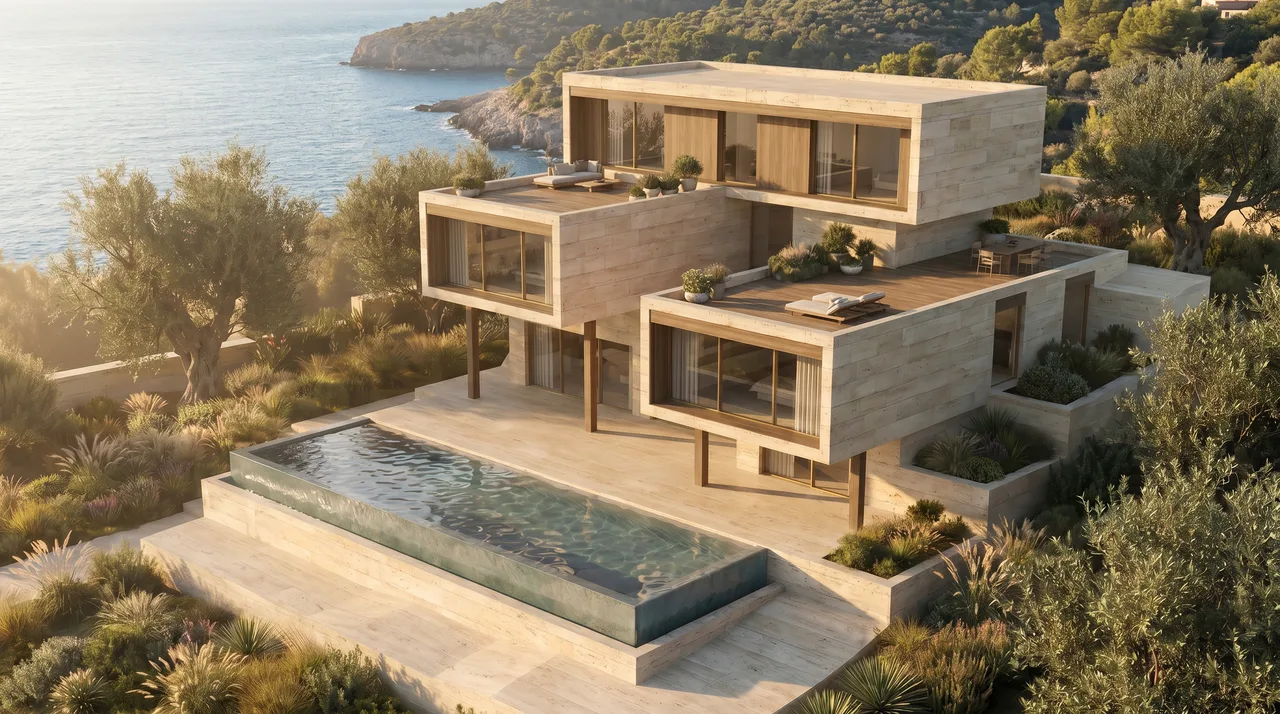
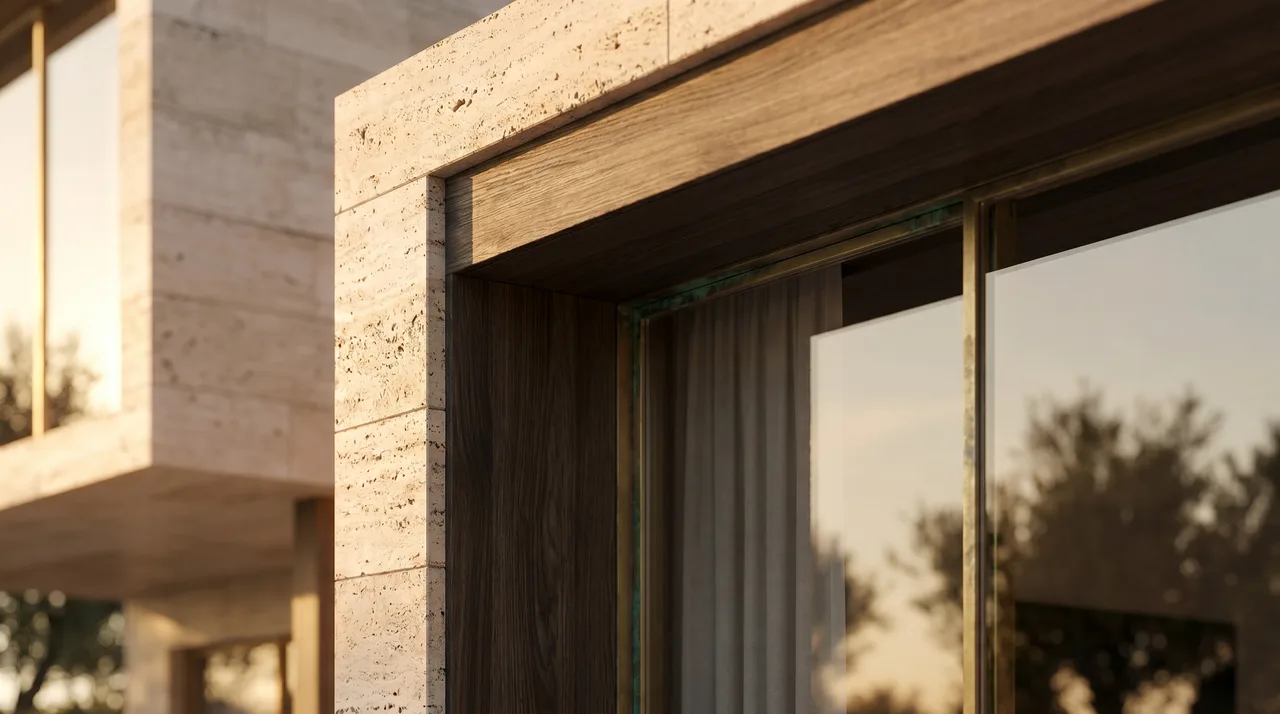
Angles ranked by how much you can trust them
- Close-ups and material details. Very reliable. The camera barely moves, and the surface is already in the image.
- Small rotations, ten to twenty degrees. Reliable. Enough new information to be useful, not enough to require invention.
- Aerials of a facade you already see. Usable, with a check on the roof — roofs gain plant, parapets and skylights readily.
- Ninety-degree rotations. Atmosphere only. Half the building in frame was never photographed.
- Rear elevations from a front view. Do not. That is a new building.
Keeping a set consistent
The usual failure is a set of six images that each look good and clearly show six slightly different buildings. Three habits fix it:
- One source, one sitting. Generate every view from the same render, in one go.
- One materials paragraph. Paste the identical material description into every brief. Changing "timber screen" to "wooden slats" between images is enough to shift the finish.
- Fix the light. Same time of day, same weather, same direction, stated explicitly each time.
When to go back to the model instead
If the angles have to agree with each other and with a drawing — a planning submission, a set for a brochure, anything a contractor will look at — build the geometry and take real views from it. A concept model built from the same drawing gets you a consistent set in one pass, and consistency is exactly what generated angles cannot promise.
Common questions
Can AI really generate a new angle of my building?
It can generate a plausible one. What the original view showed mostly survives; what it did not show is invented.
Which extra angles are most reliable?
Close-ups and small rotations. The further the camera moves, the more is imagined.
How do I keep a set of images consistent?
One source render, one sitting, an identical materials paragraph and a fixed time of day.
What does it cost?
4 credits ($0.35) per generated view.
Generate another angle: Multi-Angle View.